

Choosing a Bunk Bed For Kids
A bunk bed can bring siblings closer and give them the feeling of adventure. It can also accommodate an extra twin or full mattress at the bottom to accommodate sleepovers.
But before you go shopping for a bunk bed for your children, think about these important safety guidelines. Make sure that the ladder and the stairs are securely anchored to the frame and the rails that guard your children's beds do not have enough gaps to cause strangulation.
Safety
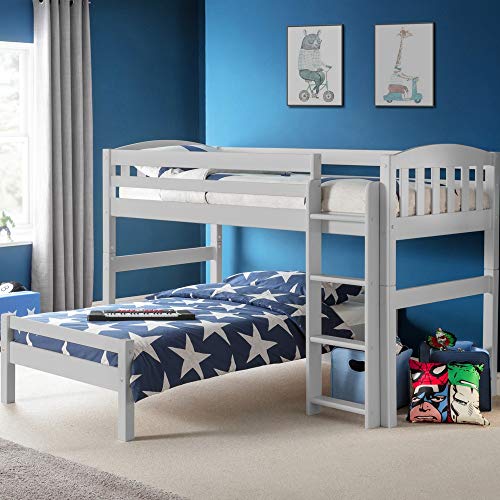
Bunk beds can be a fantastic space-saving option for children however, they can also be risky if not set up properly and monitored. Always select bunk beds with full-length guardrails on both sides of the bed. Also, search for a bed that has been tested by a third-party laboratory for safety and is in compliance with all CPSC rules. If you can, put the bunk beds in a room without doors or windows. This will prevent children from leaving their bunks during the night.
When choosing a bunk bed, think about the weight capacity and the age range of your children. Some bunk beds are just for children, while others can be used by adults and teens. Decide if you would prefer an trundle that is placed on the bottom, or just one mattress for the two beds. If you plan to use the bed for more than two children, make sure the beds are compatible and that there is enough room in the room to accommodate both beds.
Certain children are better at home sleeping on the top bunk. It is important to check on their progress regularly to determine if they are able. Experts generally recommend that children under six years old should shouldn't sleep on the top bunk as they may lack the coordination and spatial awareness required to safely navigate the ladder and height of the upper bed.
Also, if your children are often with guests at their homes, ensure that they understand the rules of the bunk bed regarding the use of the ladder, and that they are not allowed to engage in rough play or hanging from guardrails. Encourage your children to keep belts, jewelry and jump ropes off of the bunk bed. These items can be strangulation hazards. Some bunk beds come with stairs instead of ladders which can offer security for children who are unable to climb. Children can put night lights on bunk beds to help them navigate safely from the bottom bunk to the top bunk during the night.
Space-Saving
Bunk beds make the most of a small floor space by elevating sleeping areas, which frees space for play and studying. While this option is great for bedrooms for children they can also create an eye-catching focal point to a living or dining area.
Take into consideration the dimensions of your room as well as the age of your child when deciding on the best bunk beds for your children. Kids typically transition to the top bunk between six or eight years old, and this is when they begin demonstrating the maturity and dexterity needed to manage such a setup. You know your child best and you should evaluate their readiness and make sure they're confident and comfortable of the transition.
Many bunk bed designs include ladders or stairs that provide easy access to the upper level. Stairs occupy more space than ladders however they are safer for children as they learn to navigate the high of the beds. Some bunks even come with a slide that gives children a thrilling experience every when they go to bed.
Choose a bunk that has plenty of storage space if you're looking to select a bunk with stairs. This design by Lucy Harris Studio features a drawer beneath the stairs to keep the bunks tidy and organized.
Include a theme in the design of your bunk beds to make them feel more unique. For example, a sporty bunk set is a fun choice for kids who love soccer, baseball, or football, while a fairytale bunk is ideal for little princesses. Bunks with a desk also provide a practical solution for children who have to complete homework or study at home.
Bunk beds are a great option for siblings who like spending time together but also appreciate their independence and privacy. When it comes to sleepovers for siblings the bunk beds allow the children to sleep comfortably without the need to use the floor or sofa. In addition, only kids who share rooms with siblings will appreciate the possibility of having buddies over for sleepovers as well.
Convenience
Bunk beds allow siblings to share a room without occupying valuable space. This allows children to learn, play and learn with each other while enjoying their own space. It also makes it easier for parents to manage a busy family schedule and keep the home tidy. Bunk beds are offered in a variety of designs that make the most of vertical space. They can also be incorporated with any bedroom decor.
Bunk beds are a great option to save space and show your parenting style. Loft and bunk designs are available in a vast variety of sizes and styles to suit any space and include twin over full-size beds or twin over queen beds. Some models come with built-in storage, while others give additional storage space with a separate twin or full trundle bed. These beds can be transformed into two separate singles or a daybed once your children are old enough to take them.
Bunks and lofts are not just a great way to save space, but they can also add a sense adventure and fun to any bedroom. Many kids enjoy the chance to claim the top bunk, and transform it into a clubhouse, fort or even a pirate ship. They can also invite their friends over for sleepovers, and create a safe and fun space where they can have fun and engage in imaginative play.
Kids can also build stronger bonds with their siblings by spending more time together at night. It doesn't matter how old they are, having each others to talk to during the tough moments of siblinghood can strengthen bonds and encourage emotional development. Loft beds and bunk beds are particularly useful for older children who have younger siblings because they give the older child an opportunity to guide the teen or tween to develop a strong relationship with them.
In the end, the best bunk bed for your children depends on the ability of your child to safely climb up and down. While the average child is ready to move up to the top bunk around six years old, it's essential to make a personal assessment of your child's mental and physical development. The physical aspect is whether they have the ability to dexterity and coordination required to climb a ladder or bunk and the mental side of things focuses on their maturity and level of responsibility.
Style
Bunk beds for children can provide an exciting, fun touch to any bedroom. They're great for siblings who share a room or children who sleep over with friends. They let children express their individuality by the theme, color and style they pick for their rooms. When you are choosing a bunk bed, there are several options to consider.
The most basic form of bed is a bunk bed. It's two twin-sized bunk beds that are stacked on top of each other. This arrangement is perfect for siblings sharing one room, as it allows them to see each other easily even if they are on different floors. kids bunk bed of the standard bunk beds come with customization options that make it easy to find a bed that fits any child's bedroom.
Some bunk beds come with specific features that make them more useful and fashionable. Some bunk beds come with drawers under the bed to keep the space under the bunks organized and clean. It's easy to store bedding, clothes and other things. It's also possible to add curtains or drapes to the bunk beds to provide some privacy for sleepers.
Loft beds are a different kind of bunk beds for kids which raises the mattress a few inches off the ground. This arrangement is space-saving and makes a perfect spot to study, read or simply relax. You can also expand your storage space by adding shelves or a desk.
The last option is an original, themed bunk bed that blends perfectly with the overall theme of the room. Bunk beds can be designed with the form of castles, trees, or pirate ships. This can add fun to any child's bedroom. These themed bunks can stimulate imagination and encourage creative play.
If you're considering whether bunk beds are the right choice for your child, it's important to take into account their age and maturity level. It is generally accepted that children should transition to the top bunk by the age of 6 or 7. However, you'll need to determine whether your child is able and capable of sleeping on elevated furniture.